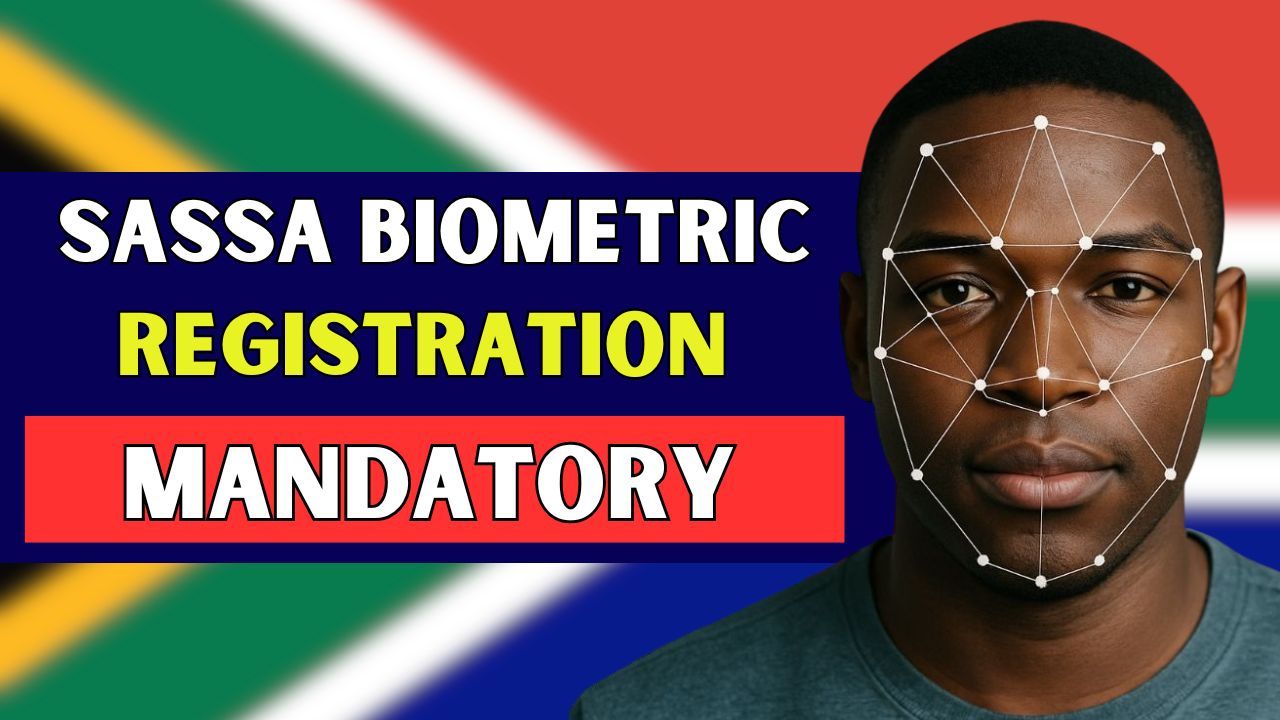
Biometric Registration Becomes Compulsory for All South African SASSA Grant Beneficiaries by January 2026. This marks a significant policy change as it aims to enhance the security of the grant, prevent corruption, and ensure that beneficiaries are duly served in terms of social assistance. Beneficiaries not adhering to this directive might face the possibility of losing or being delayed in the payment of their grants.
The reason of SASSA for Embarking upon Biometric Verification
SASSA has been faced with a number of ongoing challenges regarding identity fraud, duplication of beneficiaries, and irregular expenditure. Biometrics, which refer to verification of individuals based on fingerprinting and facial recognition, provide a far better means of determining identity. The 2026 implementation seeks to shake up the grant system and enhance accountability.
For Whom Biometric Registration is Required
All grant beneficiaries, including Old Age, Disability, Child Support, Care Dependency, Foster Care, and SRD grant recipients, are required to complete a biometric registration process. New applicants devoid of biometric data cannot be allowed to access the system. Renewal of entitlement will be permitted only for those beneficiaries whose identities have been recorded under certain conditions.

Regulation of Biometric Registration Works
The process of biometric registration entails capturing fingerprint, facial and candid data at set SASSA offices or authorized registration points. The beneficiaries will need to produce a valid form of ID at the time of registration. Credentials that are given after the biometric identification of a particular person are attached securely to the file of the legitimate beneficiary for further processing during verification time.
Implications of Delay in Registration?
Failure to complete the process may result in grant payments being delayed or duly stopped with effect from January 2026. In this regard, it has been confirmed that biometric compliance would become mandatory and at all times strictly enforced on all grant categories so as to ensure the integrity of the system.

Special Arrangements for the Aged and Disabled Persons’ Beneficiaries
To assist the vulnerable elderly, disabled, and bedridden, the SASSA held that arrangements might be made to allow the registration units to visit them, while alternative verification methods could provide for those who are unable to travel to registration centers.
Effect on Monthly Grant Payments
After being biometrically registered, beneficiaries should expect much smoother and secure payment processing. This will in effect save the beneficiary from the extra pain of payment suspension for biometrics/identity issues, “as confirmed by the community of beneficiaries during the investigation.”

Key Highlights on Annual Biometrics Review in 2026
- Aspect Details
- Start DateJanuary 2026
- Applies ToAll SASSA grant beneficiaries
- Verification MethodFingerprints and facial recognition
- Compliance StatusMandatory
- Risk of Non-CompliancePayment suspension
What Beneficiaries Should Do Immediately
Beneficiaries are advised to keep in touch with the official SASSA communications and take the biometric registration at alert, should the registration window truly open. Support in making sure beneficial IDs are valid and personal details are updated will be to choke on rushing just before and make a grand entry.
Long-Term Benefits of Biometric Registration
In addition to combating fraud, the biometric verification will go a long way towards restoring confidence among the general public in the grant system. In the long run, it may facilitate much quicker approval, decrease administrative challenges, and heighten overall service delivery

Conclusion
With the emergence of the obligatory SASSA biometric registration from the beginning of January 2026, this restructuring of the social grant system empowers beneficiaries who accord with this decision to sustain their entitlements and work toward securing a more efficient social grant system.