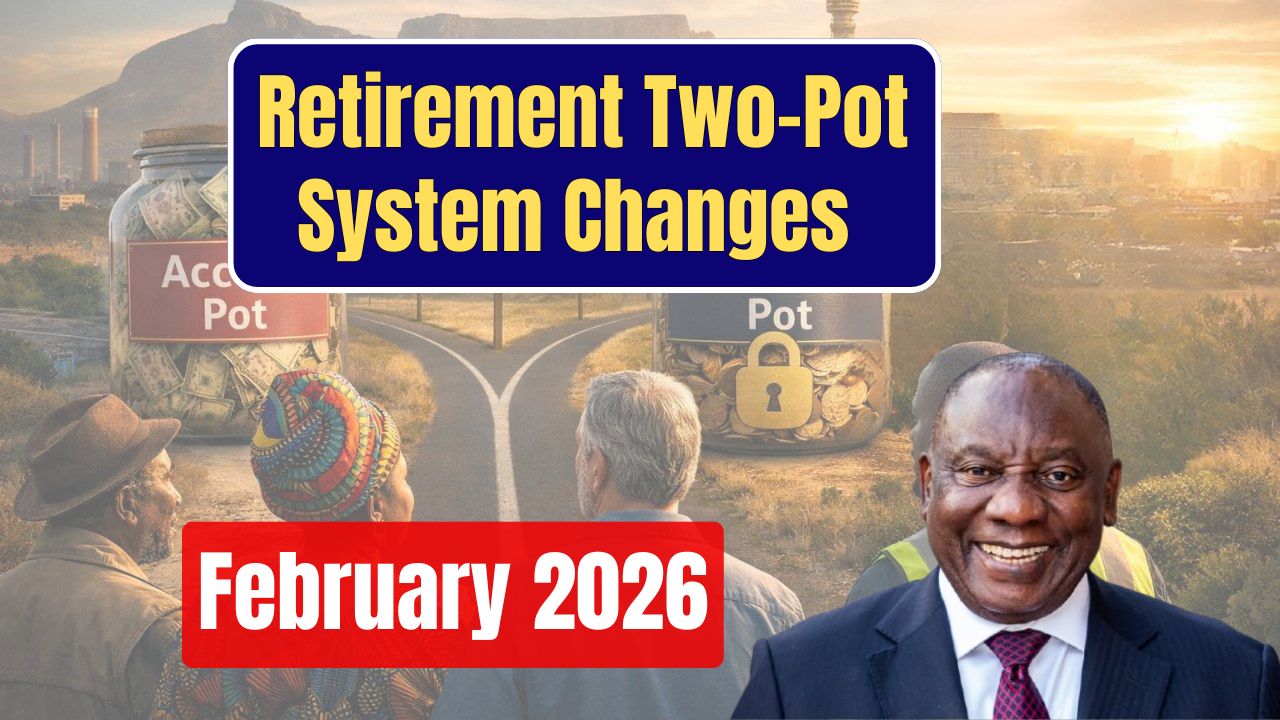
The long-awaited Two-Pot Retirement System will be enacted in South Africa in 2026; here, workers will have a chance to retrieve their retirement savings. The purpose of this reform is to provide balance between long-term retirement security and short-term funding for financial relief. It is, to some extent, a strategy so that contributors can withdraw something from their savings without exhausting it until their old age.
What the New System Implies for Workers
Retirement contributions will now be divided into two separate pots. One pot will be untouchable until actual retirement, while the other will allow a before-retirement-only withdrawal. This major change aims to relieve some financial pressure for workers, who were in danger because they could not previously access their retirement savings during their time of need.
How Contributions Will Be Divided
By 2026, a specific percentage of all new retirement contributions will go into a savings pot that workers can withdraw from before their retirement with conditions spelled out. The rest will be locked away in a retirement pot only cashable on retirement, thus ensuring long-term income protection.

After Five Years period of Accumulation, Retirement Pot Access May be Exiting
The worker should be able to choose the duration after which the saving pot shall become accessible; this interval should be set to a minimum of five years of sustainability accumulations. Conversely, withdrawal of each of the two funds shall remain subject to entirely different rules.
Withdrawals from saving pots will be taxed as income when taken, thus affecting the worker’s entire tax liability. Unlike the retirement pot, the funds continue to enjoy favorable tax treatment through the years of retirement thus underscoring the need for long-term savings.

Existing Retirement Savings: Sustainability
The retirement savings-upon implementation of this policy-will remain mostly under the existing preservation structure. The only new contributions made from 2026 going will use The Two-Pot split concept, so that the changes coming into effect will not threaten earlier savings.
the Impact on the Workers Experiencing Financial Hardships
Positively, the Two-Pot Model, in its concept, would work to diminish people quitting or changing jobs solely to access retirement money early. Instead, safe contingencies are available for settling immediate needs without compromising future welfare. MixedReality_PERSONAL_HELPER

How Employers and Funds Will Implement the Changes
Employers and retirement fund administrators are preparing system upgrades and compliance adjustments prior to the rollout of the 2026 estate. Clear communication with employees will be critical to establish that contributors understand how the new structure works and its effects upon their take-home benefits.
Concerns Raised About Long-Term Retirement Outcomes
While the reform has been broadly welcomed by other groups, advisory concerns from finance personnel have been further raised; they warn that once the doors have been opened to frequent access to funds, retirement readiness would severely be damaged, and, when workers go forward, there ought to be a capped clause on what percentage to tap. Wherever possible, early access guidelines should be utilized as the final act and not an everyday financial crutch.

What Workers Should Do Before the 2026 Start Date
It is believed that staff will be able to review their retirement plans, understand where their future contributions will be split, and need to seek counsel should they anticipate gaining access to their supposed benefits early on. It is better to adopt the method of prevention and avoid future problems.
The introduction of the Two Pot Retirement system is one of the greatest reforms in pensions in the recent history of South Africa. It thus seeks a harmonious equilibrium between satisfaction and preservation, thus modernizing pension savings and addressing the financial pragmatic realities of the present workforce.