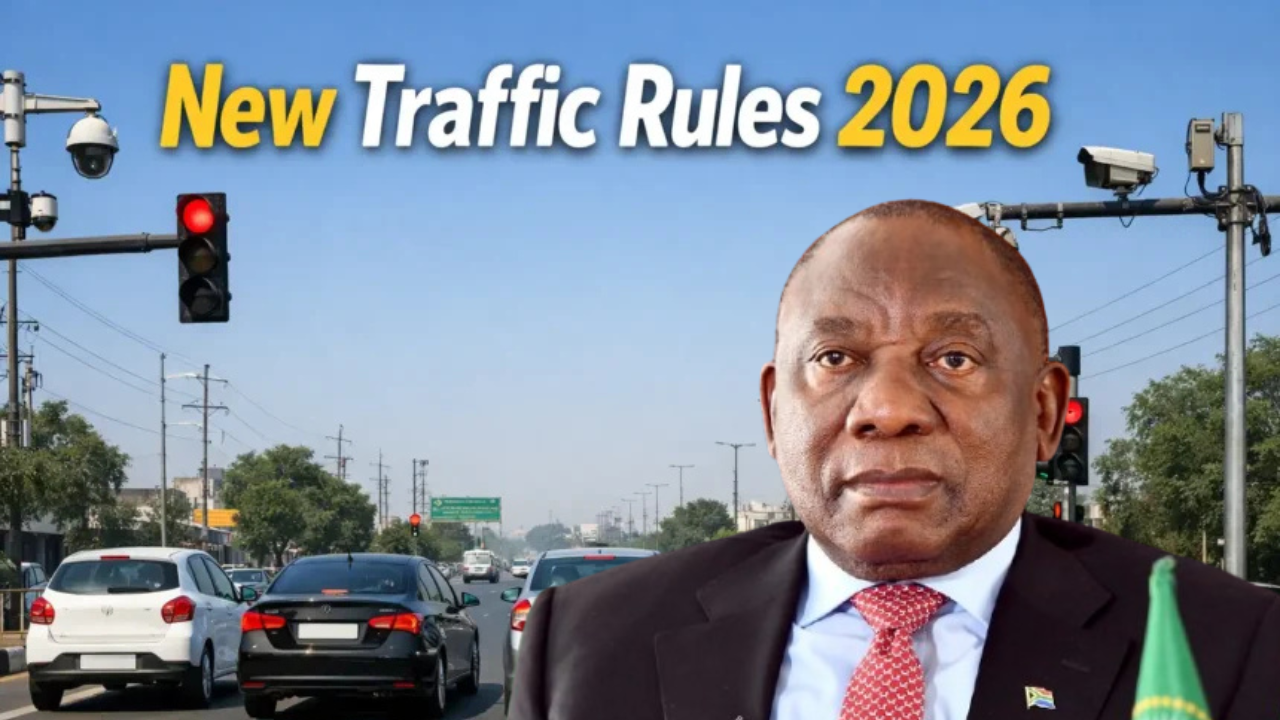
South African drivers, from 2026 onwards, are in for a change in the traffic fine scales to be considered groundbreaking toward fair, transparent and compliant regimes across the country. These changes constitute part of broader road safety and transport management reforms put in places with the intention to reduce disputes while fostering a sense of responsible driving rather than mere punitive enforcement.
Introducing unified fine structures globally
The most universally applauded change relates to the standardisation of fines. One would be certain that distinctions in fines among the provinces often confuse road users. A new approach has been greatly welcomed; thus, similar offenses now fetch similarly standardised fines across the country- which is expected to make it easy for drivers to know their duties and fines they could potentially muster.
Increase in the grace period in paying fines.
Modernization in the form of a larger window for payment prior to escalation of fines and other penalties will become available to 2026 motorists as confirmed by the authorities. The new guidelines are designed to allow more flexibility on the part of the driver when dealing with his fine, allowing them to take care of situations without being compelled to show up in court. Reduced financial pressure on families should thus add to their willingness to comply voluntarily with the demands and regulations of the traffic authority.

Prompt Payment Rebates
To encourage a quick resolution to traffic violations, the individual motorist may be eligible for a discount on fines by paying up early, within a set time. Full-fledged use of these opportunities is expected to decrease issues of unpaid fines and other obstacles to be faced by traffic authorities in collecting revenue.
More Notification Channels Going Digital
Government traffic departments have been forced to consider ways of reaching the driver with information ahead of the physical receipt of a letter, as part of the improvement of issuing traffic offense fines. Digital notifications in the form of e-notices or SMS can ensure the prompt communication of such information to the driver, with special significance placed on reducing missed notices which typically result in escalating fines or other penalties.

Enhanced Dispute and Appeal Systems
Another reform effective towards 2026 is to strengthen their rights to justify and dispute fines. The review triggers prompt on any inconsistencies against the case and the timeline, hence giving motorists a fair stance in fighting against offences perceived as incorrect or just any incidence of dispute, without long delay.
Reduced Administrative Penalties for Minor Offences
Minor traffic offences, such as paperwork-related issues or low-risk infringements, will now attract lower administrative penalties. Authorities say this change allows enforcement agencies to focus resources on serious violations that pose real danger on the roads.

Stronger Focus on Repeat High-Risk Offenders
An attempt has been made to balance rights, where offending motorists walk away bankless would take an earlier opportunity to set up strong enforcement against most serial high-risk-offender types. Some drivers are consistently breaking rules; mostly serious road violations would have been proposed for more action, like suspensions or other recommendations aimed at high-risk-focused enforcement.
What Motorists Have To Meet For Enhanced Compliance
Individuals are advised to keep the licensing authorities updated with their contact info, monitor the fine alerts on a regular basis, and attend to the payment of the fines that are genuine and are within the due-date grace period should any arise. Getting informed early on will enable drivers to avail the full benefits of the new, more flexible system.

What All This Means for South African Drivers
Changes in the 2026 traffic fines could only be rightly interpreted as a change in a more balanced enforcement system; one that does not only act only to penalize but to regulate and bring in fairness. Thus, in practical detail, much of the reforms here spell out less surprises, more or less clearly laid out laws, and greater justice to the motorist dealing with traffic fines.