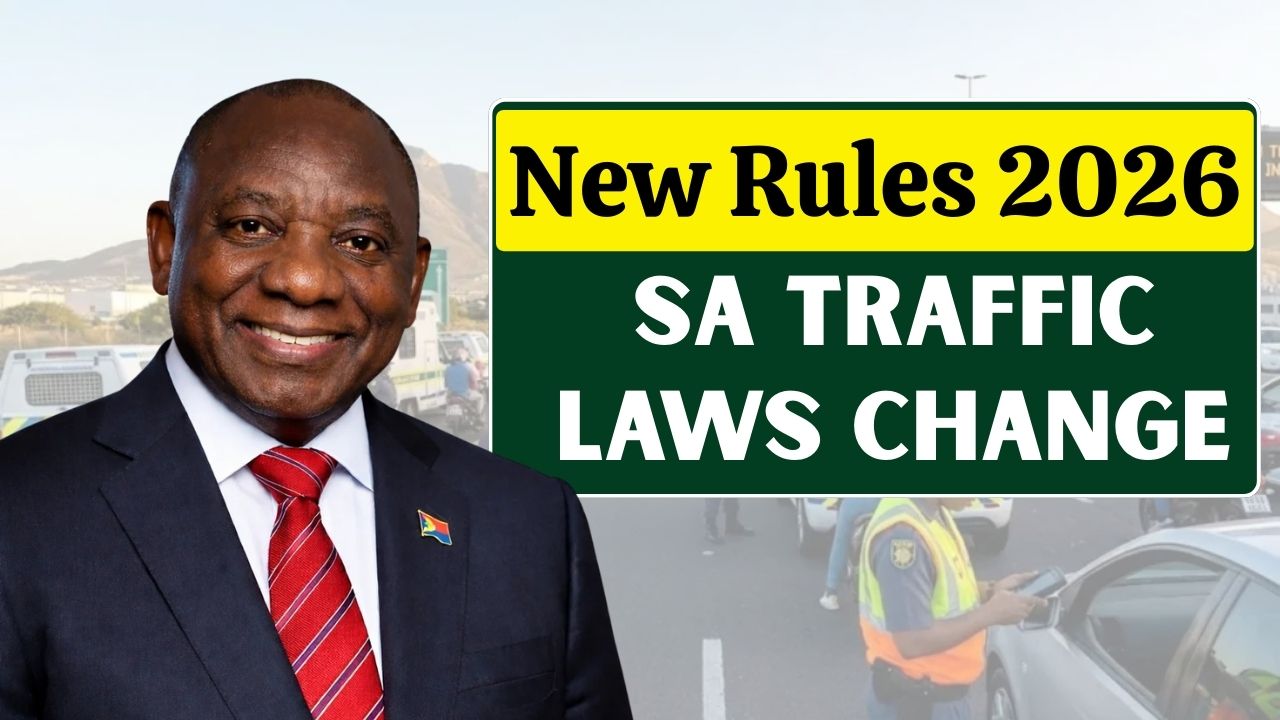
South Africa is going to change totally its traffic laws in 2026 as a part of the road safety and accident reduction campaign that is taking place all over the country. The new laws will introduce stricter law enforcement, higher fines and compliance requirements for all motorists. The authorities have announced that all these changes will be made simultaneously in the provinces which makes it all the more necessary for the drivers to know the new rules before they hit the road.
Stricter Penalties for Traffic Violations
One of the most significant transformations in 2026 is the increment of fines for the most common traffic offences. The fines for speeding, reckless driving, and ignoring traffic signals will be more than before. The repeated violators might get their licenses suspended or be given more demerit points in line with the new enforcement system which will be very strict henceforth. This will send a very clear message that the traffic violations are going to be taken very seriously.
Tougher Rules on Driving Licences
The new traffic laws are putting more pressure on having a valid and current driving licence. Drivers caught driving with expired licences will pay immediate penalties which may include having their vehicle impounded in serious cases. The authorities are also hinting that there will be more stringent checks carried out at the roadblocks and through the use of digital verification systems in 2026.

Zero Tolerance for Drunk and Drugged Driving
The changes to traffic laws in 2026 further cement South Africa’s already strong position of zero tolerance towards driving whilst impaired. Alcohol and drug-related offences will carry severe consequences such as instantly losing one’s driver’s licence and potentially getting criminal charges. Random testing will be increased as one of the ways to discourage impaired driving and the overall improvement of road safety.
Seatbelt and Child Safety Compliance
Under the new traffic laws, it will be a lot harder to get away with not wearing a seatbelt. The police will be fining the drivers and passengers not wearing seatbelts at once, while the ones violating child safety rules might be punished even more severely. By making sure that everyone obeys the most basic safety rules, injuries and fatalities will be lowered hopefully through the 2026 changes.

Increased Use of Traffic Cameras and Technology
In 2026 South Africa will increase the number of traffic cameras and use of automated enforcement systems significantly. High-risk areas like highways and intersections prone to accidents will have more surveillance. The offences that have been noted by cameras will lead to fines being directly sent to the owners of the vehicles which means that there would be less chance of not being caught up with the penalties.
Impact on Professional and Commercial Drivers
The professional and commercial drivers will also be affected by the new regulations for the vehicles on the road. There will be stricter compliance checks, heavier penalties for overloading, and closer monitoring of driving hours as part of the 2026 reforms. It is anticipated that transport companies will have to ensure that their employees are up to date with the regulations as any legal action would result from non-compliance.

What Drivers Should Do to Stay Compliant
Motorists should renew their licences well in advance, observe the speed limits and get their vehicles checked before taking them out on the road. Being aware of the changes in the traffic regulations and adapting driving patterns accordingly will be vital in avoiding fines, penalties and licence problems when the 2026 rules come into force.
Final Takeaway for South African Motorists
The upcoming changes in traffic laws in South Africa for the year 2026 represent a clear transition to stricter law enforcement and more accountability on the roads. Although the new rules may appear harsh, their ultimate purpose is to make people safer and prevent accidents across the nation. Those who remain updated and adhere to the revised laws will be the ones with the least penalties and who can, therefore, drive confidently not just in 2026 but also in the years ahead.